
Traditional CMS vs Headless CMS: Complete Guide & Comparison
Category: Tech & science
Introduction: Why CMS Choice Matters in 2026
In today’s digital-first world, choosing the right Content Management System (CMS) can directly impact website performance, scalability, SEO, and user experience.
Businesses often face one key question:
Should you choose a Traditional CMS or a Headless CMS?
This guide breaks down everything in simple terms so you can make the right decision.
What is a Traditional CMS?
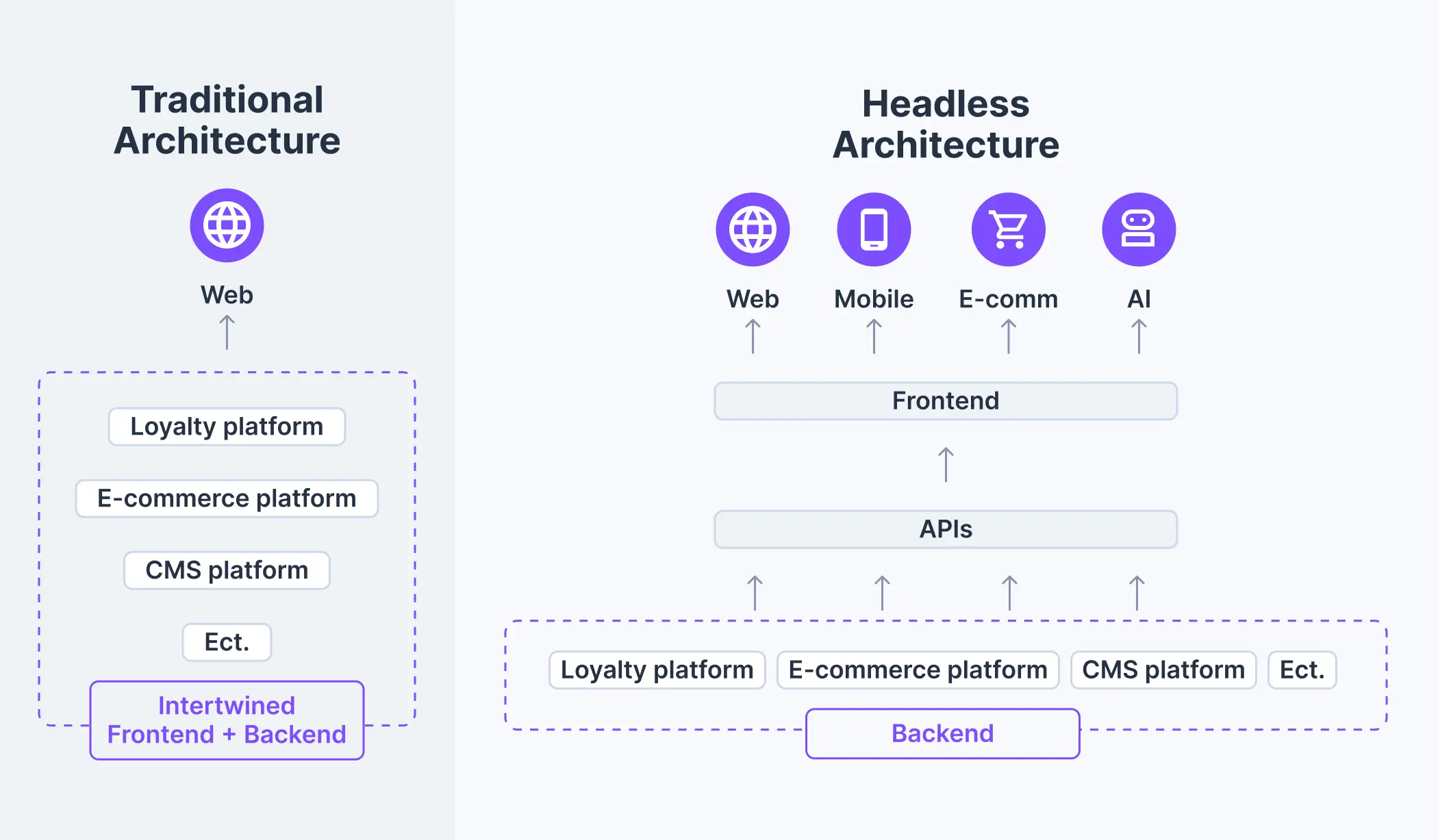
A Traditional CMS is a platform where the backend (content management) and frontend (website design) are tightly connected.
Popular examples include:
- WordPress
- Joomla
- Drupal
In this setup:
- You create content
- It gets stored in a database
- The CMS automatically displays it using themes/templates
Everything works in one unified system.
How Traditional CMS Works
Structure:
Frontend (Themes/Templates)
⬇
Backend (Admin Panel)
⬇
Database
When you publish content, the CMS renders it directly on the website.
Advantages of Traditional CMS
- Easy to use for beginners
- No advanced coding required
- Built-in themes and plugins
- Faster website launch
- SEO plugins readily available
Disadvantages of Traditional CMS
- Limited flexibility for custom applications
- Performance can slow with heavy plugins
- Security risks if not updated properly
- Not ideal for multi-platform content distribution
What is a Headless CMS?
A Headless CMS separates the backend (content management) from the frontend (presentation layer).
Instead of rendering content directly, it delivers content via APIs to any frontend application (website, app, smartwatch, IoT device).
Popular headless CMS platforms include:
- Strapi
- Contentful
- Sanity
How Headless CMS Works
Structure:
Backend (Content Repository)
⬇
API (REST/GraphQL)
⬇
Custom Frontend (React, Next.js, Mobile Apps, etc.)
The frontend is fully customizable and independent.
Advantages of Headless CMS
- High flexibility and customization
- Faster performance
- Better scalability
- Multi-platform content delivery
- Strong security architecture
Disadvantages of Headless CMS
- Requires development team
- Higher initial setup cost
- No ready-made frontend
- More complex configuration
Traditional CMS vs Headless CMS: Side-by-Side Comparison
| Feature | Traditional CMS | Headless CMS |
|---|---|---|
| Architecture | Coupled (Frontend + Backend together) | Decoupled (API-based) |
| Ease of Use | Beginner-friendly | Developer-focused |
| Flexibility | Limited | Very High |
| Performance | Moderate | High |
| Multi-Channel Delivery | Limited | Excellent |
| Setup Cost | Lower | Higher |
| Custom Apps Support | Limited | Strong |
Which One Should You Choose?
Choose Traditional CMS If:
- You are a blogger or small business owner
- You want fast setup without coding
- Your website is content-focused
- Budget is limited
Choose Headless CMS If:
- You need multi-platform publishing (web + app)
- You want high performance and scalability
- You run an enterprise-level project
- You have a development team
SEO Perspective: Which Is Better?
Traditional CMS platforms like WordPress provide built-in SEO plugins, making optimization easier for non-technical users.
Headless CMS requires custom SEO implementation but offers better performance and structured content delivery which can improve Core Web Vitals if implemented correctly.
Future Trend in 2026
Many companies are now adopting a Hybrid CMS approach, combining the ease of traditional systems with the flexibility of headless architecture.
Modern frameworks like:
- React
- Next.js
- Vue
are accelerating the shift toward API-driven content systems.
Conclusion
Both Traditional CMS and Headless CMS have their own strengths. The right choice depends on your business goals, budget, technical resources, and scalability needs.
If you want simplicity and quick deployment, go with Traditional CMS.
If you want flexibility, performance, and future scalability, Headless CMS is the better choice.
For more technology insights, digital business strategies, and modern development trends, stay connected with Occupation Talk where complex tech topics are simplified for smart decision-making.
Other Blogs You May Like

Rajaji National Park: A Hidden Wildlife Gem Near Rishikesh
Discover Rajaji National Park near Rishikesh — a lesser-known reserve with tigers, elephants, leopards, and 5 unique safari zones to explore.
Read more →
Water Damage Restoration in Chicago: Complete Homeowner's Guide to Fast Recovery
Learn how water damage restoration in Chicago works, common causes, restoration steps, costs, insurance tips, and how to protect your property.
Read more →
Why Tech Troubleshooting Guides Are Essential for Everyday Smartphone Users
Smartphones are an important part of daily life, but common issues like app crashes, internet problems, storage warnings, and network errors can create frustration. This article explains why practical troubleshooting guides are helpful for Android and iPhone users and how step-by-step fixes can solve everyday smartphone problems easily.
Read more →