
Rajaji National Park: A Hidden Wildlife Gem Near Rishikesh
Category: Tour & Travel
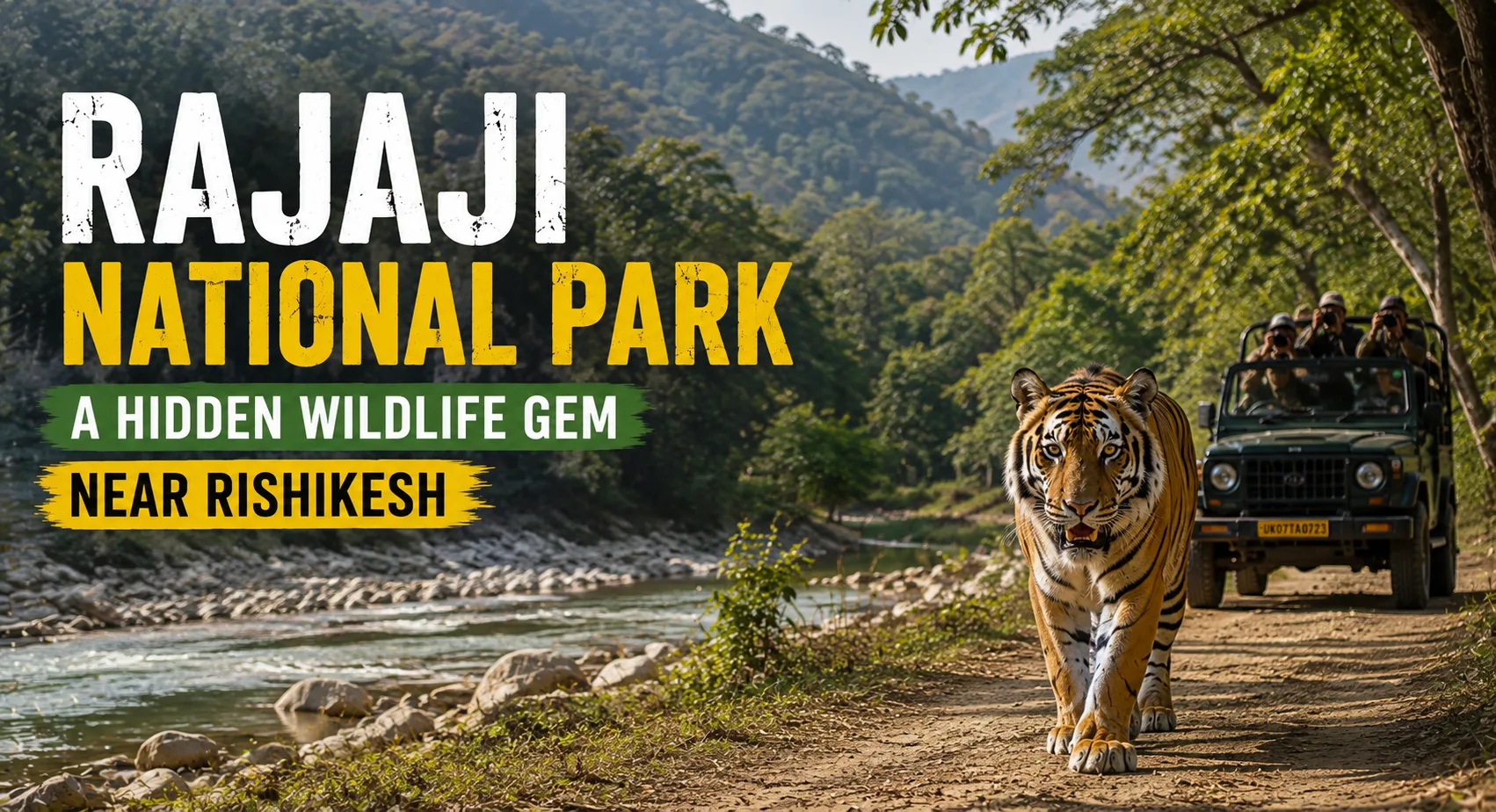
When people think of wildlife safaris in North India, Jim Corbett and Ranthambore usually come to mind first. But tucked away near Rishikesh and Haridwar, Rajaji National Park offers an equally rewarding and far less crowded wildlife experience that deserves more attention from travelers.
A Landscape Unlike Most Reserves
Spread across nearly 820 sq. km. between the Shivalik hills and the Ganga plains, Rajaji became a tiger reserve in 2015 and has since built a genuinely diverse ecosystem. Within a single park, you'll find dense sal forest, open riverside grassland, rocky hill terrain, and even a wetland zone a combination that's rare to find in one reserve. This variety is also why the park is home to such a wide range of wildlife: tigers, leopards, one of North India's largest wild elephant populations, and over 400 recorded bird species.
Five Zones, Five Different Experiences
What makes Rajaji particularly interesting is that its five safari zones don't feel like variations of the same drive they're genuinely distinct.
Chilla, the most popular zone, sits along the Ganga canal and offers the highest wildlife density, particularly for tiger and elephant sightings. Motichur's dense sal forest creates a calmer, quieter safari, ideal for those who prefer thick woodland over open plains. Jhilmil Jheel stands out as Uttarakhand's only wetland safari zone, home to swamp deer and excellent for birdwatchers. Ranipur's rocky, hilly terrain makes it the best zone for leopard sightings, while Mohand, accessible from the Dehradun side, offers a peaceful, low-traffic alternative to the busier zones.
Why It's Worth Visiting
Beyond the wildlife itself, what stands out about Rajaji is how accessible it is. Being close to both Rishikesh and Haridwar means it's easy to combine a wildlife safari with a spiritual or adventure-focused trip to the region something few other tiger reserves in India allow for so conveniently.
The park is open for safaris from mid-November to mid-June, closing during the monsoon months when heavy rainfall makes the forest tracks unsafe. Early morning safaris tend to offer the best chances of spotting wildlife, as animals are most active in the cooler hours right after sunrise.
For travelers looking for a quieter, more diverse wildlife experience without the heavy crowds of more famous reserves, Rajaji National Park is well worth adding to the itinerary — whether as a standalone trip or as part of a longer Rishikesh journey. Local guides and operators like Rishikesh Tiger Safari can help visitors choose the right zone and time based on what they hope to see.
Author Bio:
Shashi Ranakoti runs Rishikesh Tiger Safari, offering guided jeep safaris across all zones of Rajaji National Park near Rishikesh. Learn more at rishikeshtigersafari.com.
? Frequently Asked Questions
Q. What makes Rajaji National Park different from other tiger reserves in India?
Q. Which is the best zone to visit in Rajaji National Park?
Q. When is Rajaji National Park open for safaris?
Q. Is Rajaji National Park easy to visit from Rishikesh?
Q. What is the best time of day for a safari in Rajaji National Park?
Other Blogs You May Like

Water Damage Restoration in Chicago: Complete Homeowner's Guide to Fast Recovery
Learn how water damage restoration in Chicago works, common causes, restoration steps, costs, insurance tips, and how to protect your property.
Read more →
Why Tech Troubleshooting Guides Are Essential for Everyday Smartphone Users
Smartphones are an important part of daily life, but common issues like app crashes, internet problems, storage warnings, and network errors can create frustration. This article explains why practical troubleshooting guides are helpful for Android and iPhone users and how step-by-step fixes can solve everyday smartphone problems easily.
Read more →
Best Business Listing Sites in India 2026 - Free Business Listing Platforms
Looking for the best business listing sites in India in 2026? Explore top free business listing platforms that help businesses improve visibility, gain local customers, and grow globally.
Read more →