
New RSV Virus Cases Rising in India 2026: Symptoms, Risks, and Prevention Guide
Category: Health
Introduction
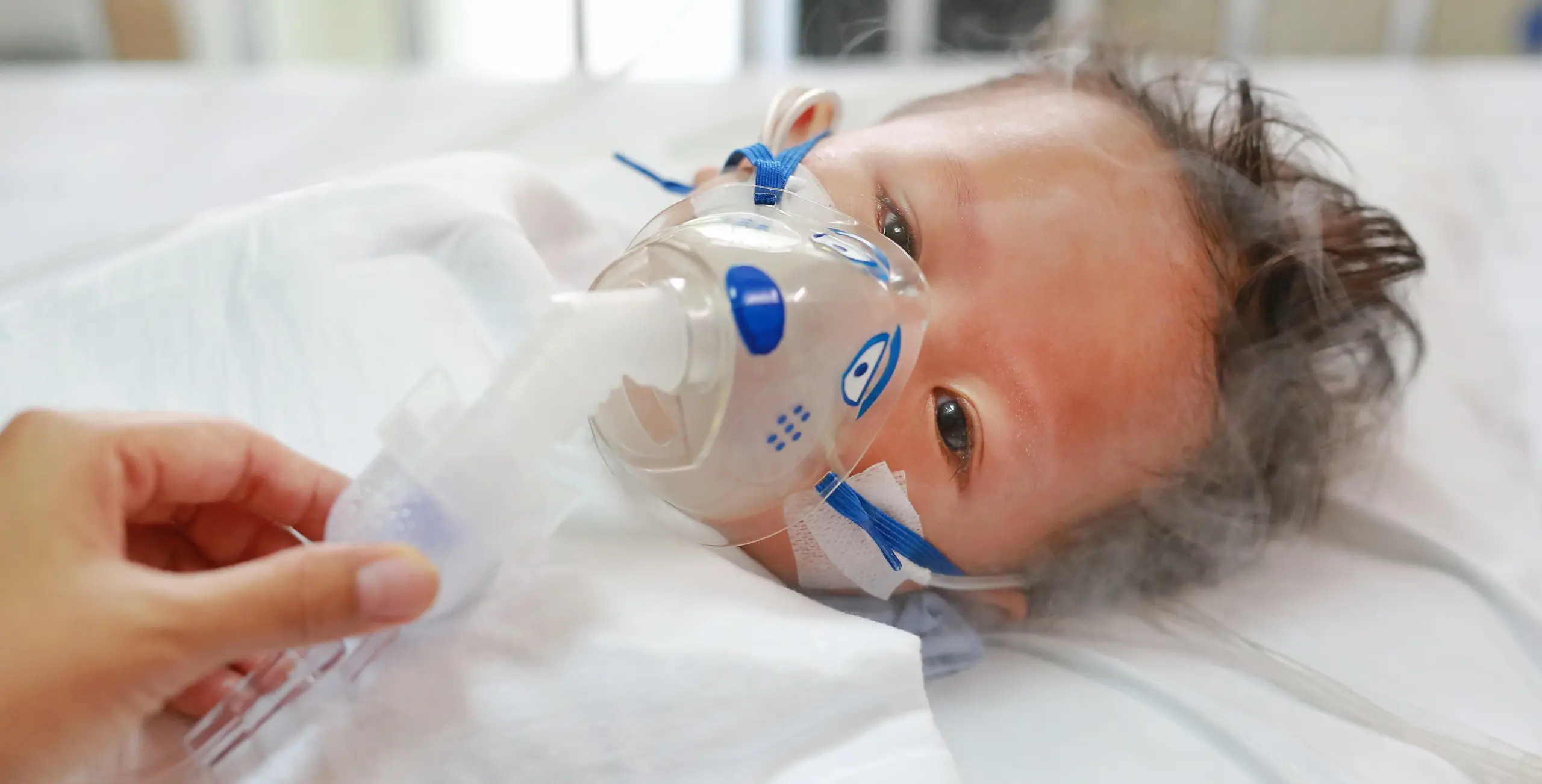
A respiratory infection once mostly linked to infants is now affecting adults and elderly populations across India in 2026. Doctors are reporting a noticeable rise in Respiratory Syncytial Virus (RSV) cases, especially during seasonal transitions and pollution-heavy months.
RSV spreads easily through cough droplets, contaminated surfaces, and close contact — making it a growing concern in crowded cities and households.
Health experts advise early awareness to prevent complications, particularly for vulnerable individuals.
What Is RSV and Why Are Cases Increasing?
RSV (Respiratory Syncytial Virus) is a contagious virus that affects the lungs and breathing passages. While it usually causes mild cold-like symptoms, it can become serious for:
- Senior citizens
- People with asthma or lung disease
- Heart patients
- Individuals with weak immunity
- Young children
Reasons Behind the 2026 Rise:
- Air pollution weakening respiratory immunity
- Seasonal weather fluctuations
- Increased indoor crowding post-winter
- Low awareness among adults (many mistake it for flu)
- Delayed medical consultation
Common Symptoms People Are Ignoring


4
RSV symptoms often look like a normal cold, which is why many cases go undiagnosed.
Early Symptoms:
- Runny nose
- Dry cough
- Mild fever
- Fatigue
- Sore throat
Warning Signs (Need Medical Attention):
- Wheezing or difficulty breathing
- Chest congestion
- Persistent high fever
- Rapid breathing
- Severe weakness in elderly patients
Ignoring symptoms can allow infection to move deeper into the lungs.
How RSV Is Different From Flu or Common Cold
Many people confuse RSV with influenza, but there are key differences:
| Feature | RSV | Flu |
|---|---|---|
| Slower onset | ✔ | ✖ |
| More breathing-related issues | ✔ | Sometimes |
| Common in elderly complications | ✔ | ✔ |
| May lead to bronchitis or pneumonia | ✔ | Less common |
| Antibiotics effective? | ✖ (viral infection) | ✖ |
Because RSV is viral, misuse of antibiotics does not help and may worsen resistance problems.
Why Doctors Are Concerned in 2026
Healthcare professionals are monitoring RSV more closely due to:
Increased Hospital Visits
Adults with breathing issues are testing positive for RSV unexpectedly.
Post-COVID Lung Sensitivity
Previously infected individuals may have reduced respiratory resilience.
Urban Pollution Impact
Air quality is making lungs more vulnerable to viral infections.
Lack of Adult Awareness
Most adults assume RSV only affects children — which is no longer true.
How to Protect Yourself and Your Family


4
Preventive care is currently the best defense against RSV.
Follow These Safety Measures:
- Wash hands frequently
- Avoid close contact with sick individuals
- Wear masks in crowded or polluted environments
- Keep indoor spaces well-ventilated
- Strengthen immunity with balanced nutrition
- Stay hydrated and maintain lung health
- Seek medical advice if cough lasts more than 3–4 days
Simple precautions can significantly reduce infection risk.
Who Should Be Extra Careful?
High-risk individuals should take RSV seriously:
- People above 60 years
- Asthma or COPD patients
- Diabetics with weak immunity
- Infants and toddlers
- Pregnant women
- Individuals recovering from major illness
Doctors recommend early consultation instead of self-medication.
Frequently Asked Questions
Q. Is RSV dangerous for healthy adults?
Usually mild, but it can become serious if ignored or if immunity is low.
Q. Is there a specific treatment for RSV?
Treatment focuses on symptom management, hydration, and respiratory support if needed.
Q. Can RSV be prevented completely?
No, but hygiene and early care can greatly reduce severity and spread.
Conclusion
The rise in RSV virus cases in India in 2026 highlights how respiratory infections are evolving beyond traditional seasonal flu patterns. What seems like a minor cough today can develop into a serious condition if awareness and timely care are ignored.
Staying informed, practicing preventive hygiene, and avoiding self-medication are essential steps to protect yourself and your family.
For more latest health alerts, medical awareness updates, and easy-to-understand healthcare guidance, keep reading Occupation Talk — your reliable destination for practical and timely health information.
Other Blogs You May Like

Rajaji National Park: A Hidden Wildlife Gem Near Rishikesh
Discover Rajaji National Park near Rishikesh — a lesser-known reserve with tigers, elephants, leopards, and 5 unique safari zones to explore.
Read more →
Water Damage Restoration in Chicago: Complete Homeowner's Guide to Fast Recovery
Learn how water damage restoration in Chicago works, common causes, restoration steps, costs, insurance tips, and how to protect your property.
Read more →
Why Tech Troubleshooting Guides Are Essential for Everyday Smartphone Users
Smartphones are an important part of daily life, but common issues like app crashes, internet problems, storage warnings, and network errors can create frustration. This article explains why practical troubleshooting guides are helpful for Android and iPhone users and how step-by-step fixes can solve everyday smartphone problems easily.
Read more →