
Rising Antibiotic Resistance Cases in India 2026: What Patients Must Know Before Taking Medicines
Category: Health
Introduction
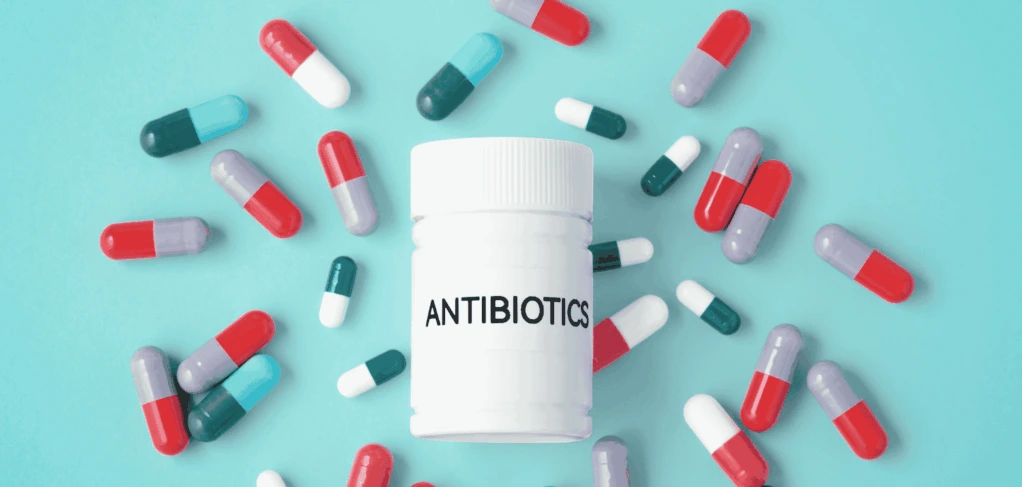
Healthcare professionals across India are raising concern about a growing health threat in 2026 — antibiotic resistance. This happens when bacteria stop responding to medicines that once worked effectively, making common infections harder to treat.
Experts say misuse and overuse of antibiotics during the past few years have accelerated this problem. For patients, this means longer recovery times, higher medical costs, and increased risk of complications.
Understanding this issue is now essential for every Indian household.
What Is Antibiotic Resistance and Why Is It Increasing?
Antibiotic resistance occurs when bacteria adapt and become stronger than the medicines designed to kill them. Instead of curing infections, the drugs become less effective or completely useless.
Key Reasons Behind the Rise:
- Taking antibiotics without doctor consultation
- Stopping medicines midway after feeling better
- Using antibiotics for viral infections like cold or flu
- Overuse of strong antibiotics in routine treatments
- Self-medication and pharmacy-level misuse
This trend is being observed in both urban and rural healthcare settings.
Common Infections Becoming Harder to Treat
Doctors are seeing resistance in infections that were once easy to cure, such as:
- Urinary Tract Infections (UTIs)
- Respiratory infections
- Skin infections
- Typhoid and stomach infections
- Post-surgery bacterial infections
Patients may now require stronger medicines, longer treatment durations, or hospitalization in severe cases.
Why This Is a Serious Public Health Concern
Antibiotic resistance doesn’t just affect individuals — it impacts the entire healthcare system.
1. Longer Recovery Time
Patients take more time to heal, affecting productivity and daily life.
2. Higher Treatment Costs
Advanced antibiotics and extended hospital care increase medical expenses.
3. Risk of Complications
Minor infections can turn serious if first-line medicines fail.
4. Limited Treatment Options
Doctors may run out of effective drugs for certain bacteria in the future.
Health authorities emphasize that prevention is the only sustainable solution.
Warning Signs Patients Should Not Ignore
Seek medical attention immediately if you notice:
- Fever that doesn’t improve after medication
- Infection returning again and again
- Slow healing wounds
- Persistent cough or urinary discomfort
- No improvement after completing prescribed antibiotics
Ignoring these signs may allow infections to become resistant and more dangerous.
How Patients Can Help Prevent Antibiotic Resistance
Every individual plays a role in controlling this health challenge.
Follow Doctor’s Prescription Strictly
Never take antibiotics without medical advice.
Complete the Full Course
Stopping early allows bacteria to survive and become stronger.
Avoid Sharing Medicines
Antibiotics prescribed for one person may not work for another.
Do Not Use Antibiotics for Viral Illness
Colds, flu, and most sore throats do not require antibiotics.
Maintain Hygiene and Immunity
Good sanitation, vaccination, and nutrition reduce infection risk naturally.
Small responsible actions can slow down resistance nationwide.
Role of Hospitals and Healthcare Providers in 2026
Medical institutions are now focusing on:
- Rational antibiotic prescribing practices
- Infection control programs in hospitals
- Awareness campaigns for patients
- Diagnostic testing before prescribing strong drugs
- Monitoring drug effectiveness patterns
These steps aim to preserve the effectiveness of existing medicines.
Frequently Asked Questions
Q. Is antibiotic resistance a new disease?
No, it is a growing medical condition where bacteria become resistant to treatment due to misuse of antibiotics.
Q. Can this problem be reversed?
It cannot be reversed completely, but it can be controlled through responsible use of medicines.
Q. Are stronger antibiotics the solution?
Not always. Overusing stronger drugs can worsen resistance further.
Conclusion
The rise of antibiotic resistance in India in 2026 is a warning sign that medicines cannot be used casually anymore. What once seemed like a quick fix for infections is now becoming a long-term public health challenge.
Awareness, responsible medication use, and timely medical guidance are the keys to protecting ourselves and future generations from drug-resistant infections.
For more important health updates, medical awareness topics, and easy-to-understand healthcare insights, keep reading Occupation Talk — your trusted source for reliable and practical health information.
Other Blogs You May Like

Rajaji National Park: A Hidden Wildlife Gem Near Rishikesh
Discover Rajaji National Park near Rishikesh — a lesser-known reserve with tigers, elephants, leopards, and 5 unique safari zones to explore.
Read more →
Water Damage Restoration in Chicago: Complete Homeowner's Guide to Fast Recovery
Learn how water damage restoration in Chicago works, common causes, restoration steps, costs, insurance tips, and how to protect your property.
Read more →
Why Tech Troubleshooting Guides Are Essential for Everyday Smartphone Users
Smartphones are an important part of daily life, but common issues like app crashes, internet problems, storage warnings, and network errors can create frustration. This article explains why practical troubleshooting guides are helpful for Android and iPhone users and how step-by-step fixes can solve everyday smartphone problems easily.
Read more →