
Pakistan Boycotts India Match at T20 World Cup 2026 | Global News
Category: Global News
Introduction
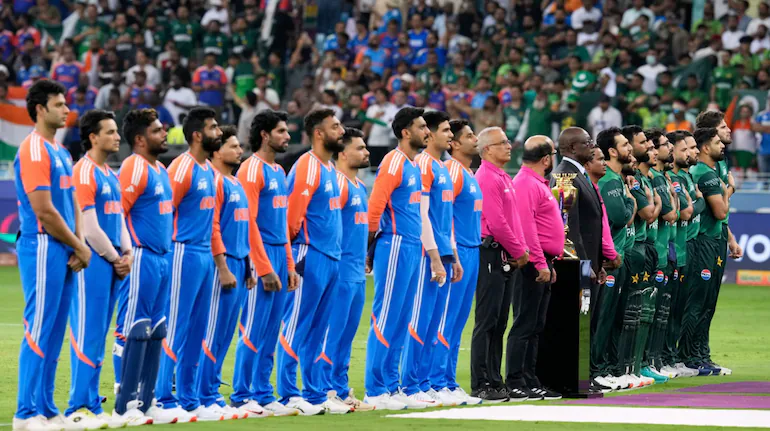
In a striking development from the world of international sport, Pakistan has announced it will boycott its scheduled T20 World Cup 2026 match against India, even while participating in the tournament. This decision, confirmed by the Pakistan government, has triggered debate among fans, officials, and political commentators worldwide. The move highlights how sport and geopolitics continue to intersect in 2026.
What Happened: Pakistan’s T20 World Cup Boycott
Pakistan’s government granted approval for its team to participate in the ICC Men’s T20 World Cup 2026, which is co-hosted by India and Sri Lanka starting February 7, 2026. However, it has instructed the team not to take the field for their high-profile group stage match against India, scheduled for February 15 in Colombo.
The decision does not bar Pakistan from playing the tournament entirely, but it does mean the iconic India-Pakistan clash — one of the most watched fixtures in global cricket — could be canceled or result in India being awarded points by default.
ICC Reactions and Cricket Governance Concerns
The International Cricket Council (ICC) has spoken out against Pakistan’s boycott, describing the situation as a challenge to the integrity of international sport. The governing body has requested official communication from the Pakistan Cricket Board and urged reconsideration due to potential long-term impacts on global cricket competition.
While the tournament continues as planned, cricket analysts warn that such political interference in sporting fixtures may weaken the credibility of major events and discourage fans worldwide.
Why This Matters for Diplomacy and Sport
The boycott decision reflects deeper geopolitical tensions between India and Pakistan that extend well beyond sport. Historically, bilateral cricketing ties have been suspended due to political conflicts, and this latest development reinforces how diplomatic rifts can spill into global arenas.
Analysts note that avoiding competition against a neighboring rival — especially in a widely followed event — sends a strong political message and may affect future cooperation in international sporting events.
Broader Regional Context: Bangladesh and Cricket Politics
In related developments, Bangladesh’s decision to withdraw from the T20 World Cup earlier, after security concerns and disagreements about venue changes, has compounded tensions. Some reports suggest that these controversies could even impact India’s bid to host the 2036 Olympic Games, as the International Olympic Committee closely monitors political influences in sport.
This pattern — where diplomatic disagreements influence participation — underscores the fragile balance between global sport and international relations.
What Fans and Officials Are Saying
Reactions to the boycott are mixed:
- Some Pakistani commentators frame the boycott as a principled stance rooted in national sentiment.
- Cricket bodies and fans around the world express disappointment, warning the move could harm the spirit of the tournament.
- The ICC emphasizes the need for equal participation to preserve competitive integrity.
This debate highlights how sports, politics, and national identity continue to intersect in the modern world.
Frequently Asked Questions
Why is Pakistan boycotting the match against India?
Pakistan’s government announced that while the team may play in the T20 World Cup, it will not take the field against India due to ongoing political tensions.
Will Pakistan play other matches in the World Cup?
Yes, Pakistan is still participating in other scheduled matches, just not the match against India.
What happens if a team forfeits a World Cup match?
Typically, a forfeited match results in points being awarded to the opponent, and may have implications for tournament standings.
Conclusion
Pakistan’s boycott of its T20 World Cup 2026 match against India marks one of the most significant sports-related political actions of recent years. The decision has drawn attention not only from cricket fans but also from global observers concerned about the intersection of politics and international sport.
The long-term impact of this boycott — whether on team relations, tournament integrity, or broader diplomatic ties — remains to be seen. For continued analysis on this story and other major global events, visit Occupation Talk and stay informed about how international affairs shape our world.
Other Blogs You May Like

Rajaji National Park: A Hidden Wildlife Gem Near Rishikesh
Discover Rajaji National Park near Rishikesh — a lesser-known reserve with tigers, elephants, leopards, and 5 unique safari zones to explore.
Read more →
Water Damage Restoration in Chicago: Complete Homeowner's Guide to Fast Recovery
Learn how water damage restoration in Chicago works, common causes, restoration steps, costs, insurance tips, and how to protect your property.
Read more →
Why Tech Troubleshooting Guides Are Essential for Everyday Smartphone Users
Smartphones are an important part of daily life, but common issues like app crashes, internet problems, storage warnings, and network errors can create frustration. This article explains why practical troubleshooting guides are helpful for Android and iPhone users and how step-by-step fixes can solve everyday smartphone problems easily.
Read more →