
FIFA President Advocates Lifting Russia’s Ban: Global Reaction and Controversy
Category: Global News
Introduction
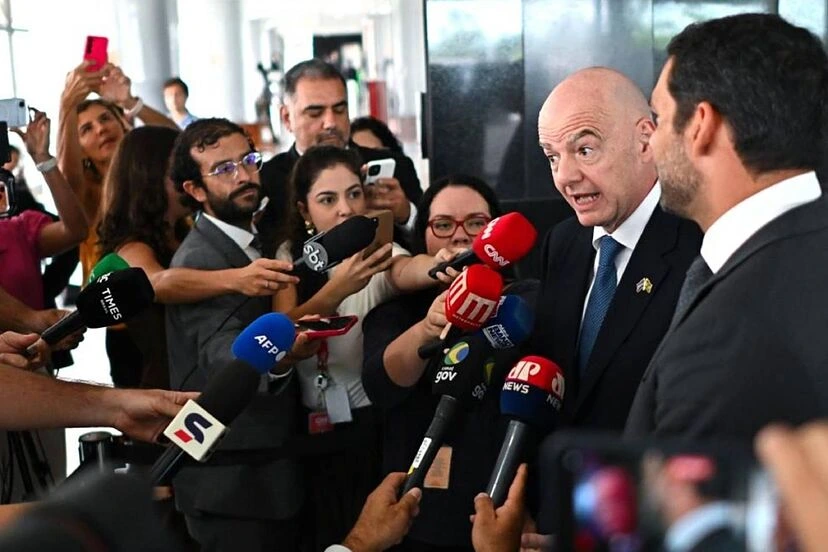
In a significant and contentious development in international sports this week, FIFA President Gianni Infantino publicly supported lifting the ban on Russia from international football competitions, a policy originally introduced following Russia’s invasion of Ukraine in 2022. The announcement has triggered sharp reactions from several nations, reigniting debates about the intersection of sport, politics, and war.
Background: Why Russia Was Banned
In 2022, following the escalation of the war in Ukraine, FIFA and UEFA imposed a ban on Russian national teams and clubs participating in international competitions. This ban was part of wider global sanctions and was intended to isolate Russia from international sports. Critics of the ban argued it was necessary to uphold international norms, while supporters of reintegration contend that sports should transcend political conflicts.
Over three years later, the issue remains a flashpoint in global sports diplomacy.
Infantino’s Argument for Lifting the Ban
Gianni Infantino argued that the ban was ineffective and had only increased frustration and hostility. He suggested that engaging Russia through sport could promote peace and provide opportunities for Russian youth to participate in international football, which he described as a constructive outlet.
Infantino’s stance also referenced FIFA’s decision to award a peace prize at the 2026 World Cup draw, which he defended as a symbol of promoting dialogue.
International Reaction and Criticism
Infantino’s statement sparked immediate backlash, particularly from Ukrainian officials. Ukraine’s sports minister sharply criticized the views as insensitive, especially given the ongoing conflict in the region.
European football authorities, including UEFA President Aleksander Ceferin, emphasized that Russia’s return to international competition would only be considered once the war ends and conditions allow football to be separated from political and military conflict.
Many analysts warn that lifting the ban prematurely could undermine the message that violations of international law have consequences, while others argue that sport might serve as a bridge for diplomacy.
Broader Implications for Global Sports and Diplomacy
This debate is about more than football:
- Sports as Soft Power: Major sporting events influence public opinion, national pride, and international relations.
- Political Pressure on Sports Bodies: FIFA and other organizations often face pressure to align with geopolitical stances.
- Cultural Diplomacy: Allowing a nation’s athletes to compete internationally can be seen as recognition and acceptance on the world stage.
The clash between maintaining principles and promoting engagement through sport highlights ongoing tensions in the global governance of international competitions.
Conclusion
FIFA President Gianni Infantino’s support for lifting Russia’s ban from international football has ignited a global debate on the role of sport in geopolitics. While some see engagement as a pathway to peace, others view lifting the ban as premature and insensitive given ongoing conflicts.
This development highlights the growing intersection between global politics and international sports governance. For continued coverage and expert insights on world events that shape international relations and public opinion, keep following Occupation Talk for clear, timely, and trustworthy news analysis that helps you understand today’s global issues.
Why was Russia banned from international competitions?
What is FIFA’s reason for lifting the ban?
How have other countries reacted?
Other Blogs You May Like

Rajaji National Park: A Hidden Wildlife Gem Near Rishikesh
Discover Rajaji National Park near Rishikesh — a lesser-known reserve with tigers, elephants, leopards, and 5 unique safari zones to explore.
Read more →
Water Damage Restoration in Chicago: Complete Homeowner's Guide to Fast Recovery
Learn how water damage restoration in Chicago works, common causes, restoration steps, costs, insurance tips, and how to protect your property.
Read more →
Why Tech Troubleshooting Guides Are Essential for Everyday Smartphone Users
Smartphones are an important part of daily life, but common issues like app crashes, internet problems, storage warnings, and network errors can create frustration. This article explains why practical troubleshooting guides are helpful for Android and iPhone users and how step-by-step fixes can solve everyday smartphone problems easily.
Read more →